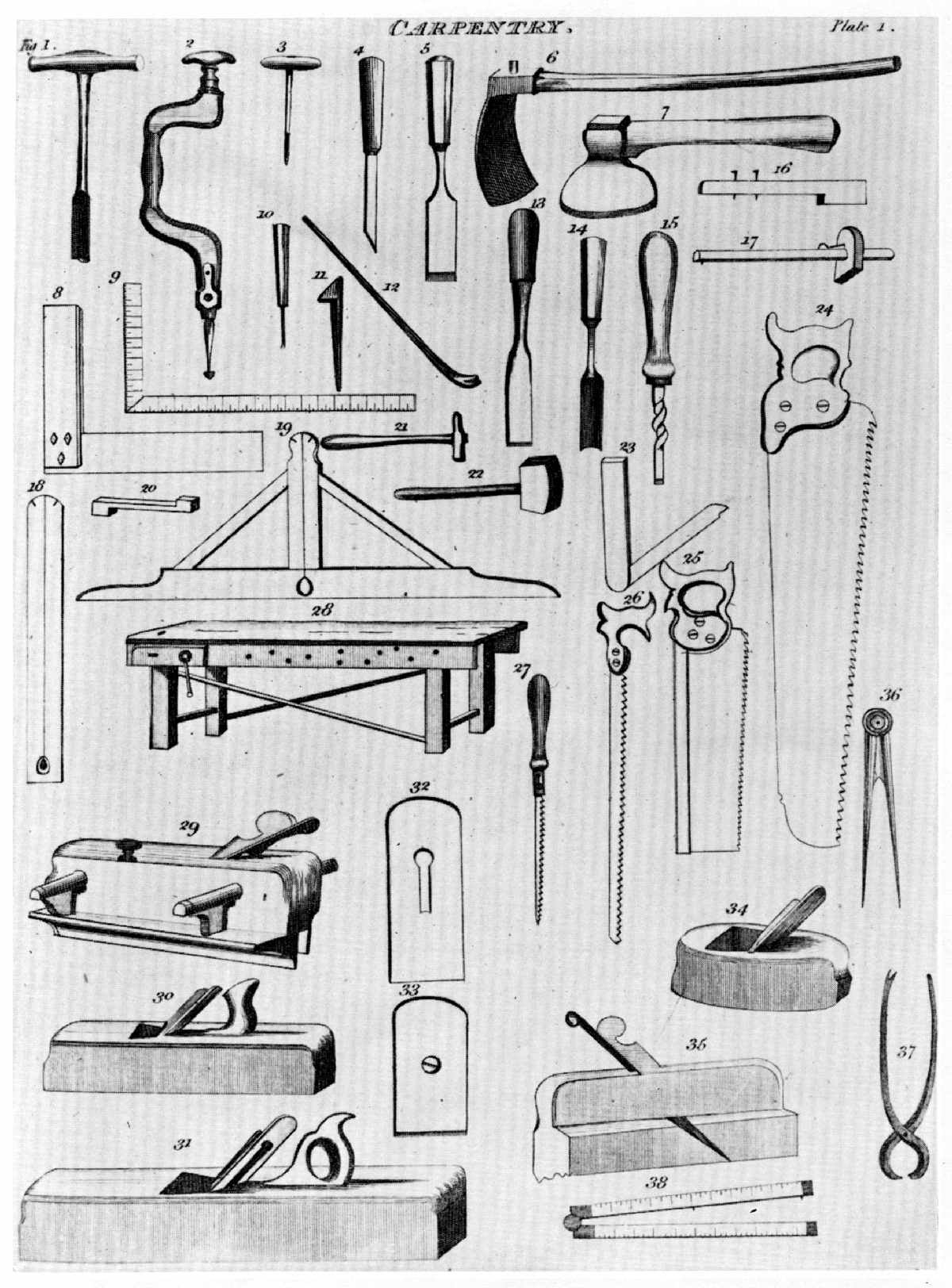
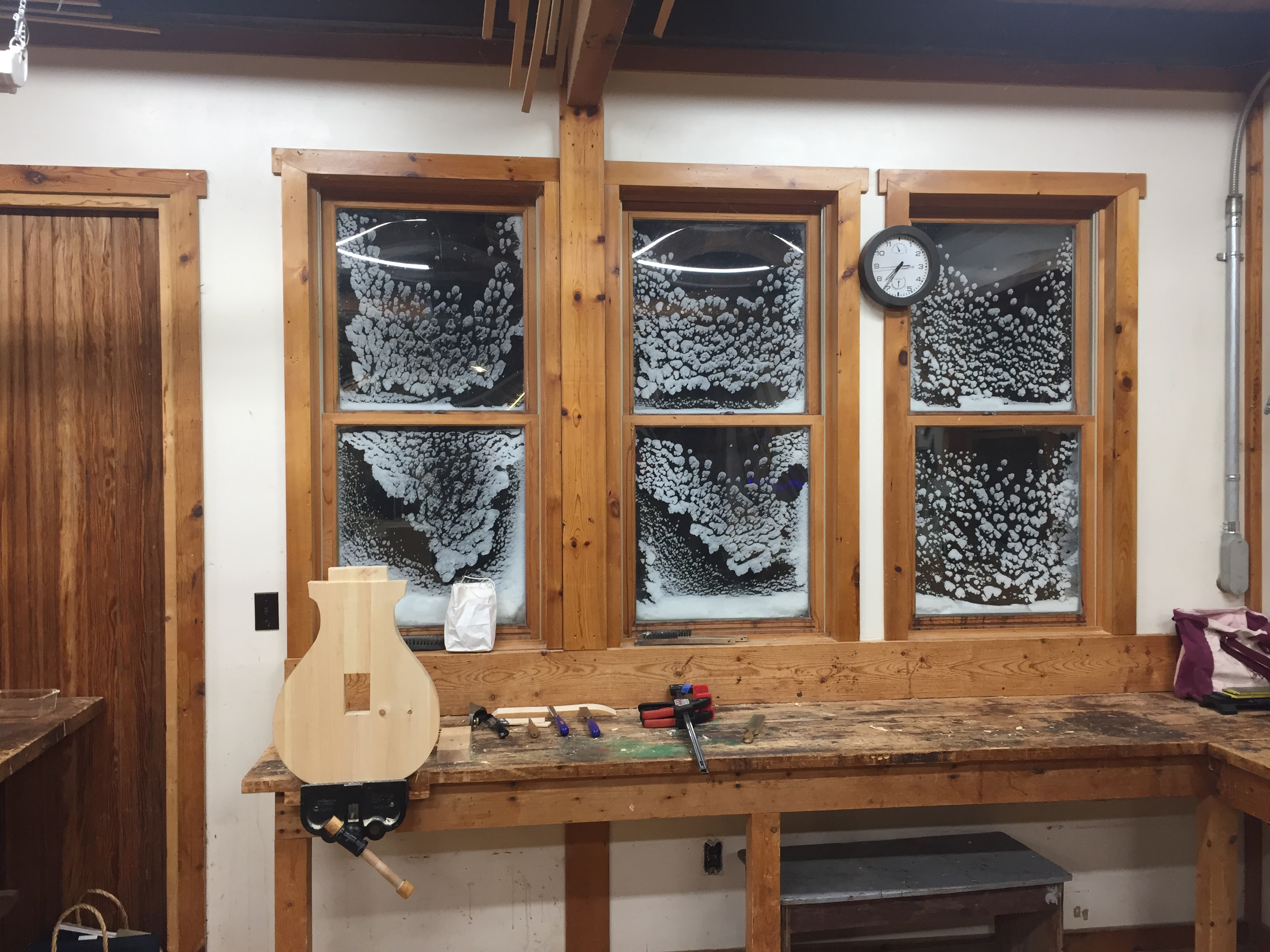
Choosing Hand Planes for Canadian Woodworkers
A look at the hand plane types most useful in a Canadian shop — from the versatile No. 4 smoother to specialty planes for joinery work — with notes on what to look for in used and new tools.
Woodworking Reference · Canada
Coverage of hand-tool methods, joinery, Canadian hardwood selection, and finishing approaches — written for those who build with wood at any level of experience.
Featured Articles
A look at the hand plane types most useful in a Canadian shop — from the versatile No. 4 smoother to specialty planes for joinery work — with notes on what to look for in used and new tools.
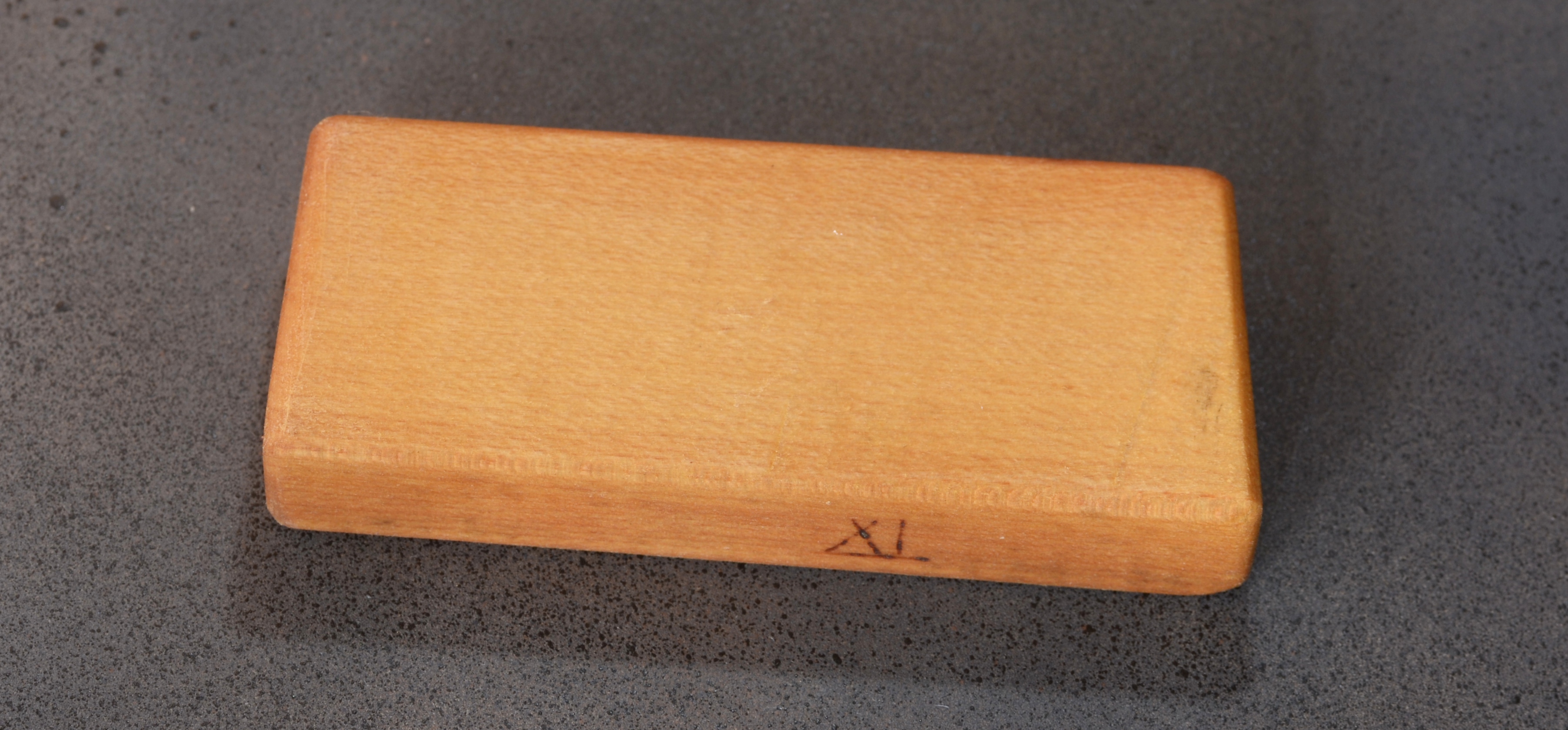
Identifying and working with sugar maple, black walnut, white oak, and yellow birch — four species widely available from Canadian mills, with notes on grain, workability, and typical applications.
A comparison of penetrating oil finishes — linseed, tung, and Danish oil — against film-forming varnishes, with attention to durability, repairability, and how each responds to Canada's seasonal humidity swings.
Canada's indoor humidity can swing 30–40% between July and February. Mortise-and-tenon, dovetail, and box joints handle wood movement better than most mechanical fasteners alone — understanding why is the basis of furniture that stays tight for decades.
Read the hand plane guideTopics at a Glance
Hand Tools
Planes, chisels, saws, and layout tools — selection, setup, and maintenance.
Joinery Methods
Mortise and tenon, dovetails, box joints, and bridle joints with hand tools.
Wood Species
Canadian hardwoods and softwoods — grain identification, movement, and use.
Surface Finishing
Oils, varnishes, shellac, and wax — application, durability, and repair.
Sugar maple, black walnut, white oak, and yellow birch all behave differently at the plane and chisel. Grain direction, ray figure, and end-grain density determine how each cuts, glues, and takes a finish. The species guide breaks down what matters at the workbench.
Read the species guideFinishing
Seasonal humidity swings stress film finishes differently than penetrating oils. Understanding the trade-offs helps match the finish to the piece — and to how it will be used.
Linseed and tung oils soak in; varnish forms a skin. Both have their place, and the choice usually comes down to the piece's use and where it will live.
A reasonable starting set of hand planes, saws, and chisels — with notes on sourcing second-hand tools from Canadian estate sales and flea markets.
Grain direction affects whether a hand plane cuts cleanly or tears out. Here is how to read it on quartersawn, flatsawn, and rift-cut boards.
Contact
Questions about a technique, a wood species, or anything covered here — use the form below or reach us directly.
Read about joinery, species selection, tool setup, and finishing — with Canadian climate and sourcing in mind throughout.